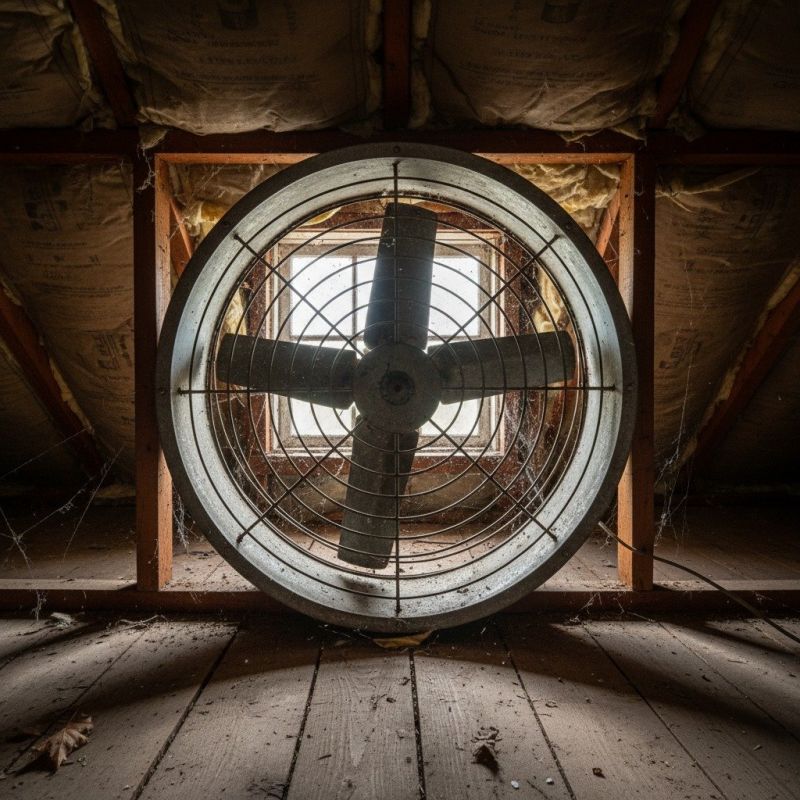
Roof Fan Installation in Alpharetta, GA
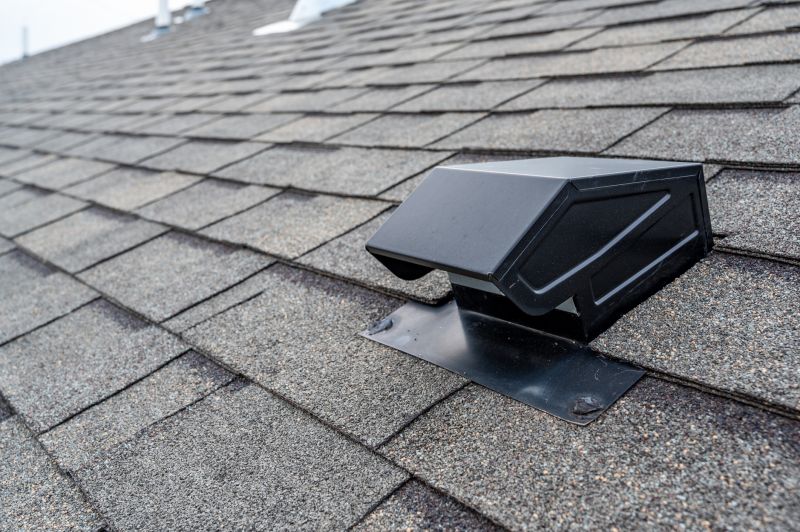
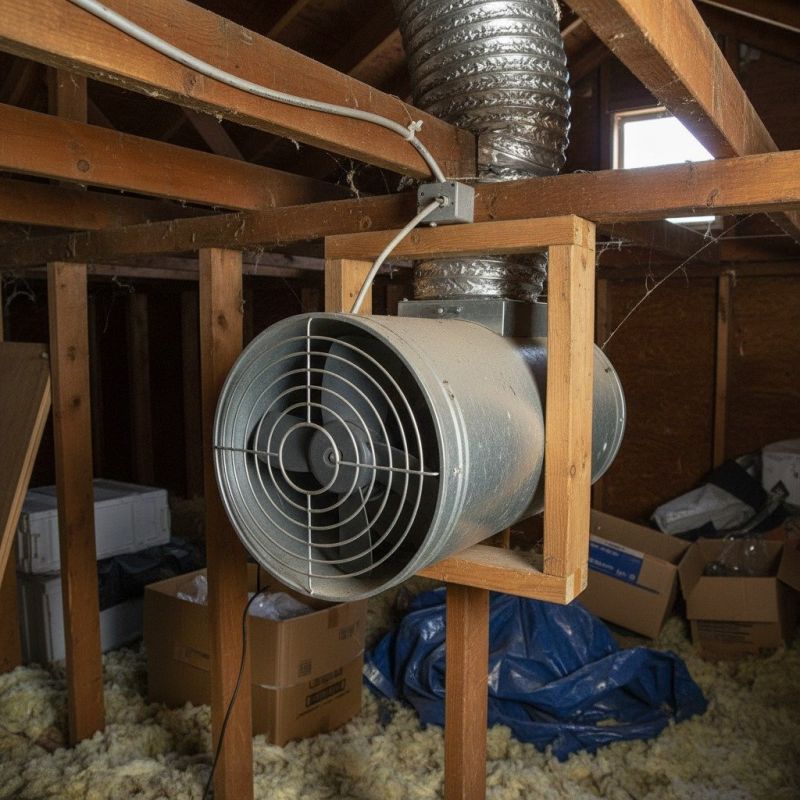
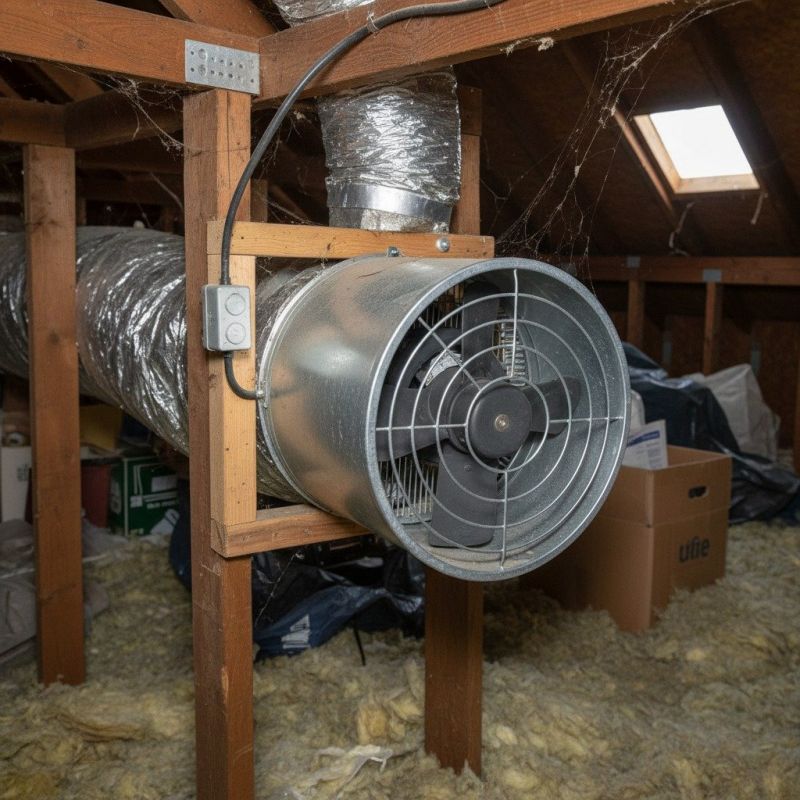
Roof fan installation services involve adding ventilators to a property's roof to improve airflow and ventilation within the attic space. These projects typically include installing exhaust fans, attic vents, or roof-mounted turbines to help regulate temperature, reduce moisture buildup, and prevent issues like mold or ice dam formation. Homeowners often seek this service when looking to enhance energy efficiency, improve indoor air quality, or address specific ventilation concerns in their homes or commercial buildings.
Before requesting roof fan installation, property owners usually want to understand the different types of roof fans available, their suitability for the specific roof structure, and how the installation process may impact the existing roof. It’s also helpful to consider the size and placement of the fans to ensure optimal performance and to clarify any necessary permits or local building codes that might apply. Proper assessment and planning can help ensure the ventilation system functions effectively and meets the property’s needs.
Many property owners in Alpharetta, GA look into Roof Fan Installation for repairs, replacements, upgrades, and appearance-related improvements.
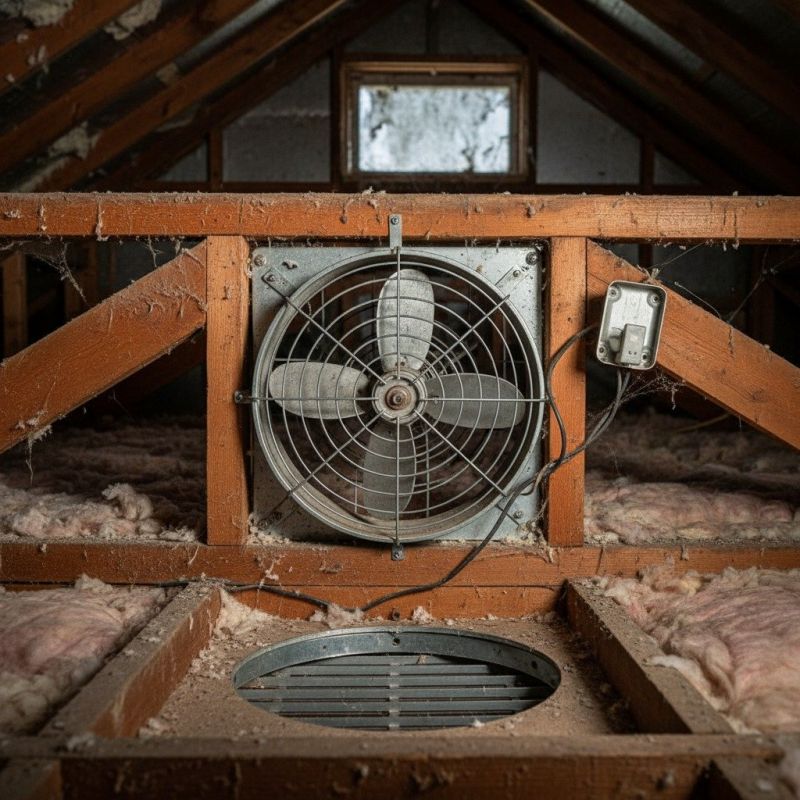
Benefits Of Roof Fans
Roof fans help improve attic ventilation and reduce indoor temperatures.
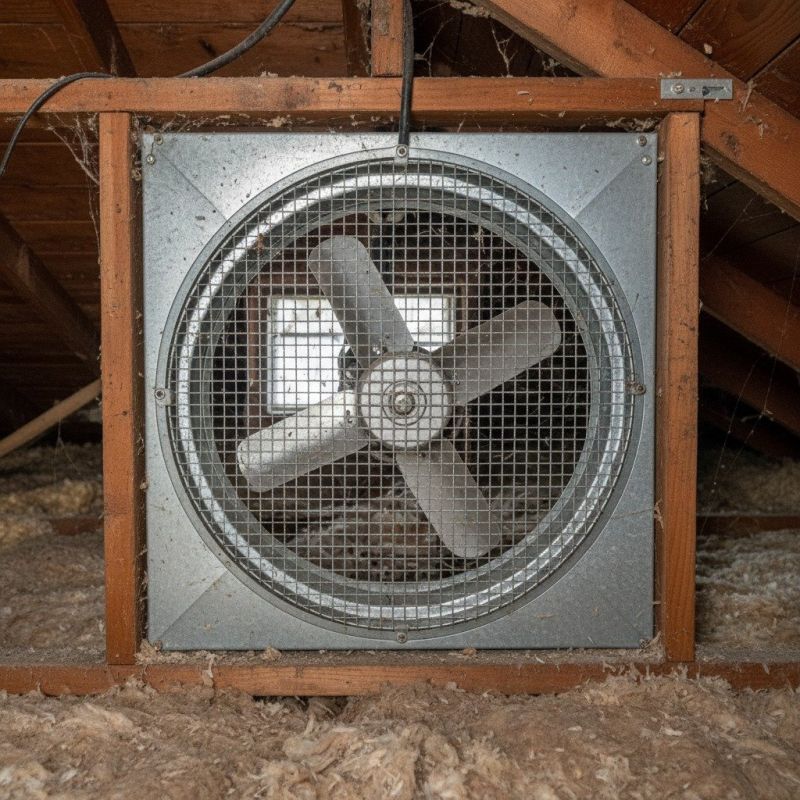
Installation Considerations
Proper placement and sizing are essential for effective roof fan performance.
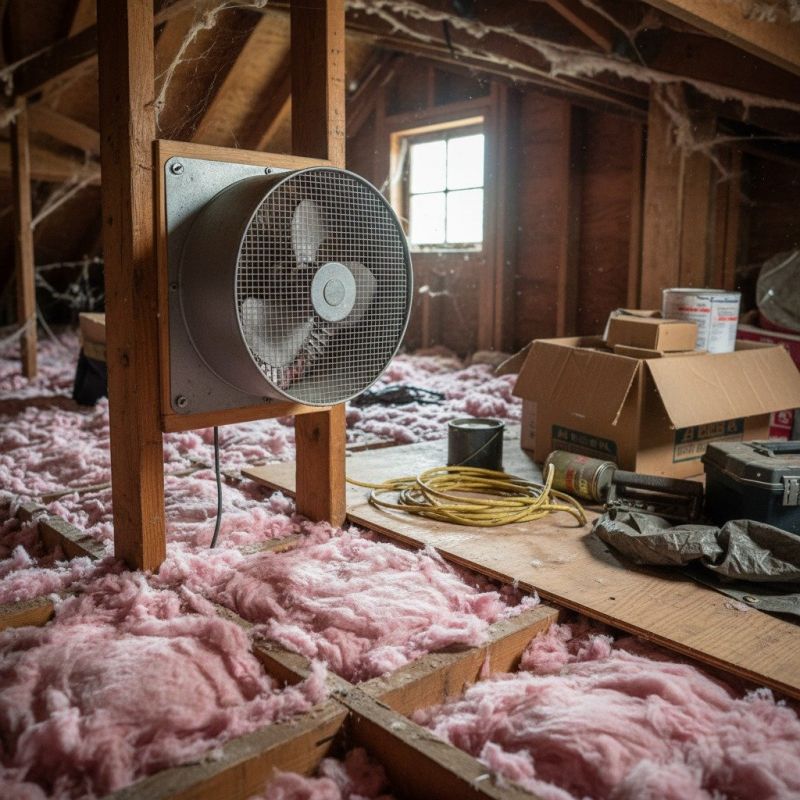
Maintenance And Upkeep
Regular inspection ensures roof fans operate efficiently and extend their lifespan.
Roof Fan Installation in Alpharetta, GA

Roof fan installation services involve adding ventilators to a property's roof to improve airflow and ventilation within the attic space. These projects typically include installing exhaust fans, attic vents, or roof-mounted turbines to help regulate temperature, reduce moisture buildup, and prevent issues like mold or ice dam formation. Homeowners often seek this service when looking to enhance energy efficiency, improve indoor air quality, or address specific ventilation concerns in their homes or commercial buildings.
Before requesting roof fan installation, property owners usually want to understand the different types of roof fans available, their suitability for the specific roof structure, and how the installation process may impact the existing roof. It’s also helpful to consider the size and placement of the fans to ensure optimal performance and to clarify any necessary permits or local building codes that might apply. Proper assessment and planning can help ensure the ventilation system functions effectively and meets the property’s needs.
Many property owners in Alpharetta, GA look into Roof Fan Installation for repairs, replacements, upgrades, and appearance-related improvements.
Common Roof Fan Installation Jobs
Roof Fan Installation - Enhances attic ventilation to help regulate indoor temperatures.
Roof Fan Installation - Suitable for improving airflow in homes with poor attic ventilation.
Roof Fan Installation - Designed to reduce moisture buildup and prevent mold growth.
Roof Fan Installation - Can be integrated with existing roofing systems for seamless operation.
Roof Fan Installation - Helps lower cooling costs by promoting efficient attic airflow.
Roof Fan Installation - Ideal for homes experiencing heat accumulation or excess humidity.
Roof Fan Installation Questions
What is a roof fan installation? It involves adding a ventilation fan to the roof to improve airflow and reduce heat buildup in the attic area.
Why should property owners consider roof fans? Roof fans help regulate temperature, prevent moisture buildup, and improve overall roof longevity.
What types of roof fans are commonly installed? Exhaust fans and attic ventilators are typical options used to enhance roof ventilation systems.
Is roof fan installation suitable for all roof types? Most roof types can accommodate fans, but the specific installation depends on roof design and structure.
Request Roof Fan Installation in Alpharetta, GA
Use the quote form on this page to share the basics of your project and request more information for the type of work you need.